


.jpg?language=en)
Your floors are so much more than just surfaces you walk on. They’re a foundation for your living areas or workspaces and set the tone for both aesthetics and functionality. However, they’re likely to endure some of the harshest abuse of daily life—rough foot traffic, playing children, pets, unexpected spills, and seasonal challenges.
Protecting your floors, then, should be a big priority as a homeowner. When you take the necessary steps to ensure they’re protected for the long term, you’re maintaining their appearance, saving on costly repairs or replacements, and safeguarding your investment.
No matter if you have gorgeous traditional hardwood, sleek tile, plush carpet, or wood-look laminate, every flooring has its unique vulnerabilities. If you understand these risks and take the proactive measures necessary to protect them, it can help keep them in top condition for years to come.
General Floor Protection Strategies
Floor damage prevention is all about establishing a first line of defense. A few simple strategies can make a huge difference, regardless of your type of flooring. Some of the best floor protection approaches include:
Using Rugs and Mats
Place your mats and rugs at key areas like entryways and high-traffic zones. This can drastically reduce the effects of daily wear and tear. Entry mats help capture dirt, moisture, and debris before they ever reach your floors. Look for mats with non-slip backings for accident-prevention and ensure they’re easy to clean.
Usually seen as décor, rugs add another layer of floor protection. Place rug pads made from felt or natural rubber over hardwood or laminate floors to prevent scratches and keep your rugs securely in place.
Regular Cleaning Practices
You’d never take sandpaper to your new floors, so why keep tracking dirt and grit across them? Sweep and vacuum regularly to prevent micro-scratches that dull your floors’ finishes. Find appropriate cleaning tools for your specific flooring types – bristle brooms for hardwood, microfiber mops for tiles, or powerful vacuums for carpeting. Always reference your manufacturer’s guidelines for cleaning instructions.
Applying Furniture Protectors and Pads
Your dining room chairs slide around more than you might think. Furniture can be your floor’s worst enemy as they drag or when occupants plop down on them. Equip chairs, tables, and other heavy items with furniture pads. These are super affordable accessories that create a buffer between your furniture and floor to prevent dents and scratches. Felt and rubber are the gentlest on most surfaces, so find these whenever possible.
Using Protective Floor Coatings or Sealants
If your flooring is prone to staining or wear, apply protective floor coatings and sealants to enhance durability. Hardwood and tile floors benefit from water-repelling and stain-preventing sealants. Laminate floors require specialized finishes, often from the manufacturer, to keep their sheen. Always keep track of manufacturer recommendations if you want to ensure effectiveness and compatibility.
Preventing Moisture Damage
Repeated exposure to moisture over time is devastating for many flooring types. Be that accidental spills or a high-humidity climate, exposure to moisture warps, encourages mold growth, and even structurally damages your floors. Never leave a spill without immediate cleanup, and consider dehumidifiers in rooms prone to moisture.
Protecting Specific Flooring Types
Every floor is different, and each material demands a unique approach to short- and long-term floor protection. Whether you want to safeguard your elegant hardwood or ensure your vinyl floors stay practical and attractive, it’s important to know the best practices for optimal care for your specific type of flooring.
Hardwood Floors
Your hardwood floors might exude sophistication, but they’re among the most sensitive flooring types out there. Unfortunately, they’re easily damaged by moisture, scratches, and temperature changes. To protect hardwood floors from damage:
- Control humidity levels: A humidifier in dry winter and a dehumidifier in wet summer helps maintain a more consistent environment indoors that prevents warping.
- Clean gently: Don’t soak your hardwood floors when you clean them. Instead, opt for damp microfiber mops with pH-neutral wood cleaning products. Refer to your manufacturer guidelines first.
- Prevent furniture damage: Utilize felt pads under chairs and table legs and always place furniture sliders down when moving heavy objects around.
- Mind your shoes: Both high heeled shoes and heavy boots can dent hardwood. You might want to enforce a no-shoes-allowed policy indoors.
Tile Floors
Tile floors are some of the best for durability and resistance to wear, but they’re by no means invincible. To protect tile floors from damage:
- Seal your grout: Grout lines are very porous and prone to staining. Apply a sealant to protect against spills and discoloration. Check with your manufacturer guidelines first.
- Prevent scratches: Tiles may be tough, but dragging heavy furniture across them can still cause serious scratching. Use furniture pads or lift items well above your tile when you move items from place to place.
- Clean with care: Always avoid harsh cleaners that can damage tile’s finish. Your best bet is a mild detergent or a pH-balanced cleaner, but check with your manufacturer guidelines.
Carpeted Floors
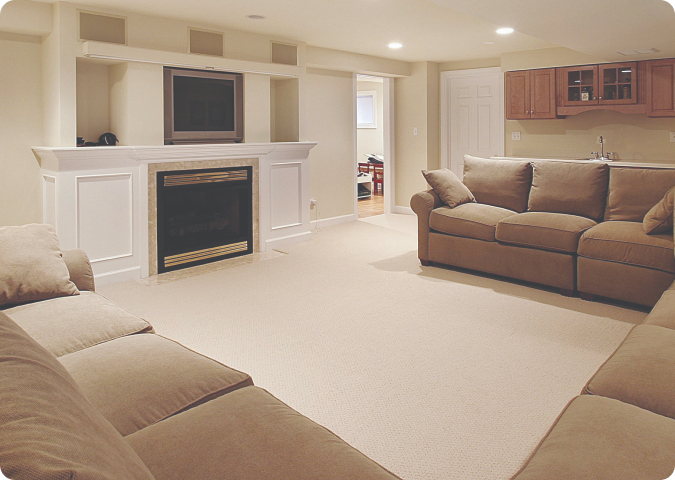
Carpeting is often seen as high-comfort, low durability. Without proper care, it can very quickly show wear and tear. To protect carpeted floors from damage:
- Vacuum often: Frequent vacuuming can prevent dirt and debris from embedding deep down into the fibers which lead to matting and discoloration. Check your manufacturer guidelines.
- Spot clean spills immediately: Use a gentle carpet cleaner in accordance with your manufacturer guidelines and blot instead of rubbing to avoid spreading stains as quickly as possible!
- Rotate your furniture: If you shift your furniture around the room periodically, it’ll prevent uneven wear and keep your carpet looking its best.
Vinyl & Laminate
Vinyl and laminate floors are popular because they’re both affordable and versatile, but they require a balanced approach to cleaning and maintenance. To protect vinyl and laminate floors from damage:
- Avoid excess water: Using too much water when mopping can seep into seams and cause unseen damage that worsens over time. Don’t soak your floors when cleaning – simply use a damp mop in accordance with your manufacturer guidelines.
- Use non-abrasive tools: Soft-bristle brooms and microfiber mops are much better than vacuums or other tools if you want to avoid scratching your surfaces. Check with your manufacturer guidelines.
- Protect from heavy furniture: A big couch sitting directly on top of vinyl or laminate can leave indentations in the material. To avoid this, always use protective padding or coasters under furniture legs.
Want to learn more about protecting different types of flooring, how that flooring performs in different areas of the home, and how you can get the perfect new floors installed in your home? Reach out to the team at Empire Today® – we’ll be happy to share our insights through a FREE in-home estimate so you can achieve your flooring dreams. We can’t wait to get started!
Seasonal Floor Protection & Winter Hazards
Winter always brings a series of unique challenges for your floor protection efforts. From muddy boots to the destructive effects of rock salt, you’ll need to stay vigilant at all times during the colder months.
Combat Rock Salt Damage
Rock salt is notoriously destructive on floors. Any time you track it in on your shoes, you risk leaving behind white streaks and causing surface abrasions, especially if you have hardwood or tile floors. If you want to significantly mitigate salt damage to floors this winter:
Use entryway mats: Invest in some heavy-duty mats at all your home’s entrances to catch salt and moisture before they ever reach your floors. And as we mentioned earlier, try to keep that no-shoe policy as strictly as possible.
Clean promptly and effectively: If you detect any rock salt residue, mop it up with a damp cloth immediately to avoid long-term damage. Always follow manufacturer guidelines.
Opt for alternative de-icers: Calcium chloride is far gentler on surfaces and may actually be more effective at melting ice than rock salt. As de-icing products go, it’s definitely the more floor-friendly option.
Manage Moisture and Mud
Snow and slush are an inevitable fact of life in most parts of the United States each winter, but that doesn’t mean they have a place indoors or on your floors. Some of the best floor protection methods to manage the damage they’ll cause include:
- Implementing a shoe removal area: Create a designated space near your entrances and install a shoe rack or simply a floor mat for wet shoes and boots. Then, maybe friends and family will be more likely to follow your no-shoe policy!
- Adding absorbent mats: Even if you already have a floor mat at your entryway, it might not be up to the task. Layer absorbent rugs or mats inside doorways to capture any excess moisture.
- Drying your floors regularly: Keep a small mop nearby to enable rapid drying of wet spots and to prevent water damage ASAP.

Temporary Floor Protection Solutions
Aside from seasonal concerns, you might need to shield your floors against short-term hazards like renovations, moving days, or big gatherings. Here are some temporary floor protection solutions to practically safeguard your surfaces without long-term alterations:
Renovation or Construction Protection
If you’re painting, remodeling, or even performing some minor DIY tasks, you could potentially damage your flooring. Minimize it by using:
- Protective films and sheets: Use adhesive plastic films designed for your specific flooring types. They’ll provide a barrier against paint spills, dirt, and debris.
- Reinforced paper or cardboard: Lay down heavy-duty paper or cardboard to protect against foot traffic or scrapes from tools.
- Foam or rubber mats: Construction zones where heavy impacts may occur can benefit from foam/rubber mats that cushion blows and prevent cracks or dents.
Event & Gathering Protection
You never know what might happen during a big party. Spills, scratches, stains – you name it. Some temporary solutions to keep floors safe include:
- Area rugs or runners: Place rugs and runners in high-traffic areas.
- Furniture sliders: Insert sliders beneath heavy furniture when rearranging beforehand and leave them there until the event is over.
- Quick cleanup supplies: Make sure you have adequate cleaning supplies on hand to address spills immediately and prevent permanent stains.
Investing in Your Floor’s Future
Your floors contribute an awful lot to your home’s overall look, feel, and functions. That’s why these floor protection measures are so critical – they’ll help ensure those floors stay beautiful and serve their purpose for many years to come.
